Choosing exterior siding for an Oregon home involves more than just picking a color or style. With frequent rainfall, high humidity, and long stretches of damp weather, Oregon’s climate places unique demands on residential siding. The right material can help protect a home for decades, while the wrong one can quietly lead to moisture damage and costly repairs.
Two of the most common siding options homeowners compare are vinyl siding and fiber cement siding. Both materials are widely used, but they perform very differently in Oregon’s wet and variable conditions.
This guide breaks down the key differences to help homeowners make an informed decision.
Much of Oregon—especially the Willamette Valley—experiences long rainy seasons, mild but damp winters, and moisture that often lingers behind exterior surfaces. In these conditions, siding must do more than repel rain; it must also handle moisture vapor, temperature shifts, and prolonged exposure to dampness.
When siding materials are not well suited to this environment, moisture can become trapped inside wall assemblies, leading to rot, mold, and structural damage that may not be visible for years.
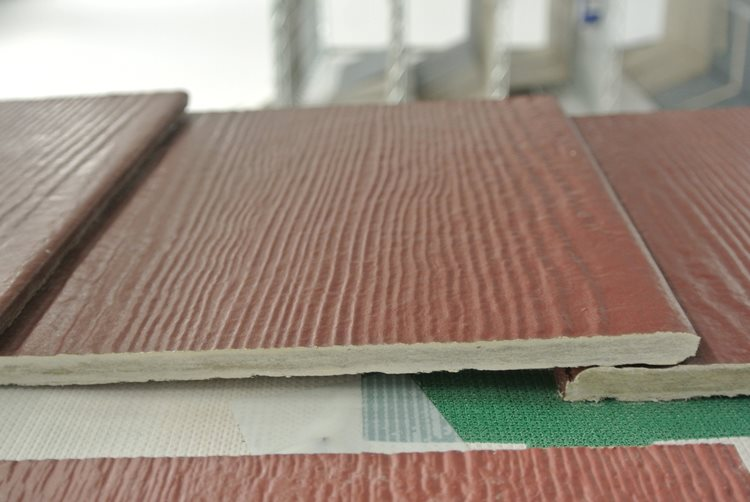
Fiber cement siding is manufactured from cement, sand, and cellulose fibers. Its density and rigidity allow it to withstand heavy rain, wind, freezing temperatures, and impact from debris or hail. Because it remains dimensionally stable, it is less likely to shift or loosen over time. Fiber cement siding products manufactured by companies such as James Hardie are specifically engineered for wet and cold climates, making them a common choice for homes across Oregon.
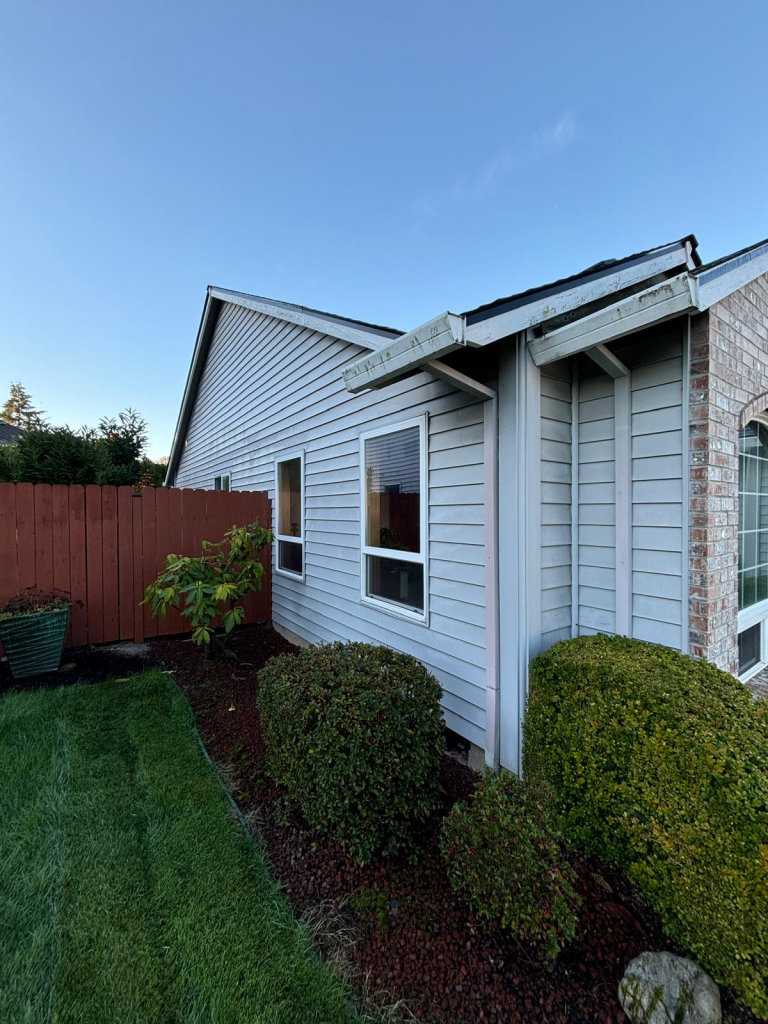
Vinyl siding, made from PVC, is lighter and more flexible. While it performs well in milder or drier climates, it expands and contracts significantly with temperature changes. In Oregon’s damp environment, this movement can allow moisture to enter at seams or termination points, particularly as homes age.
Lifespan is a major consideration for homeowners planning long-term.
For homeowners planning to stay in their home long term, material lifespan can significantly impact overall value.
Maintenance needs differ between the two materials:
While fiber cement requires more upkeep, many homeowners consider the trade-off worthwhile for added durability.
Moisture management is one of the most important factors for siding in Oregon.
Fiber cement’s dense composition resists water penetration and does not warp, rot, or swell when exposed to moisture. This makes it well suited for regions with high rainfall and humidity.
Vinyl siding is water-resistant on the surface but relies heavily on proper installation to manage moisture behind the panels. In wet climates, seams and gaps can allow moisture vapor to accumulate, increasing the risk of mold or sheathing damage over time.
Fire safety is an increasing concern across Oregon.
Organizations such as the National Fire Protection Association identify non-combustible exterior materials as an important factor in improving a home’s fire resistance.
Both materials can contribute to energy efficiency when installed with proper insulation.
Energy efficiency often depends more on the overall wall assembly than the siding material alone.
Vinyl siding generally costs 20–30% less upfront than fiber cement siding. However, long-term value tells a different story.
According to the 2025–2026 Remodeling Cost vs. Value Report, fiber cement siding replacement consistently ranks among the top exterior improvements for return on investment in Oregon, with homeowners often recouping 80–85% of the project cost at resale.
For many homeowners, the higher initial investment in fiber cement is offset by durability, longevity, and resale value.
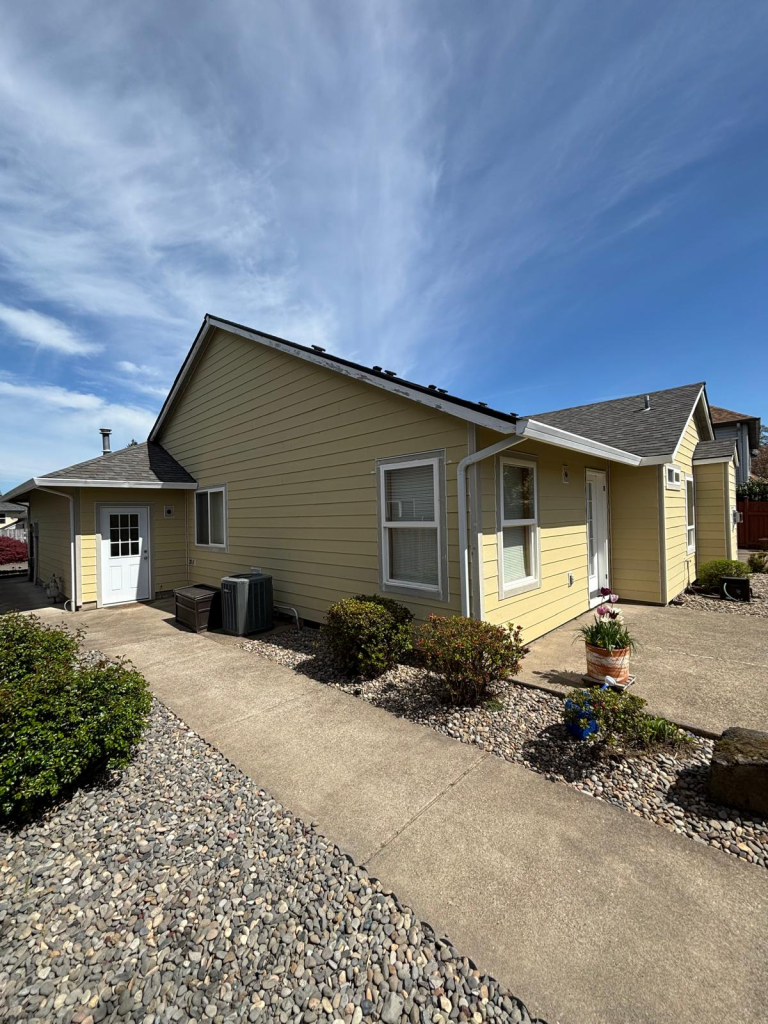
Oregon’s climate places unique demands on residential siding. While vinyl siding can work in certain situations, fiber cement siding generally offers better moisture resistance, durability, and long-term value for Oregon homes.
Choosing the right siding material from the start can help protect your home from weather-related damage and reduce the risk of costly repairs in the future.
Every home is different, and Oregon’s climate makes material selection especially important. A professional evaluation can help determine which siding option will perform best based on your home’s exposure, age, and construction.
Salexx Construction provides siding services throughout Oregon, helping homeowners make informed decisions based on long-term performance—not sales pressure.
Contact Salexx Construction today to schedule a siding consultation and get expert guidance tailored to your home.

Copyright Salexx Construction LLC | All Rights Reserved | Privacy Policy | Website by Musimack Marketing