Minor problems don’t stay small for long, especially in the Pacific Northwest.
Have you ever seen a strange water stain or found a shingle in your yard and just ignored it? You’re not alone. Many homeowners overlook these small signs until they become costly problems.
Your home can’t talk, but it does have ways to warn you when something is wrong. Roof and exterior issues often start out small, making them easy to miss. But what if those signs are your home’s way of getting your attention?
Before you know it, those tiny clues can turn into leaks, structural damage, or repairs that could have been prevented. That’s why recognizing early warning signs is so important.
Here are the five most common warning signs your home might be showing you right now.
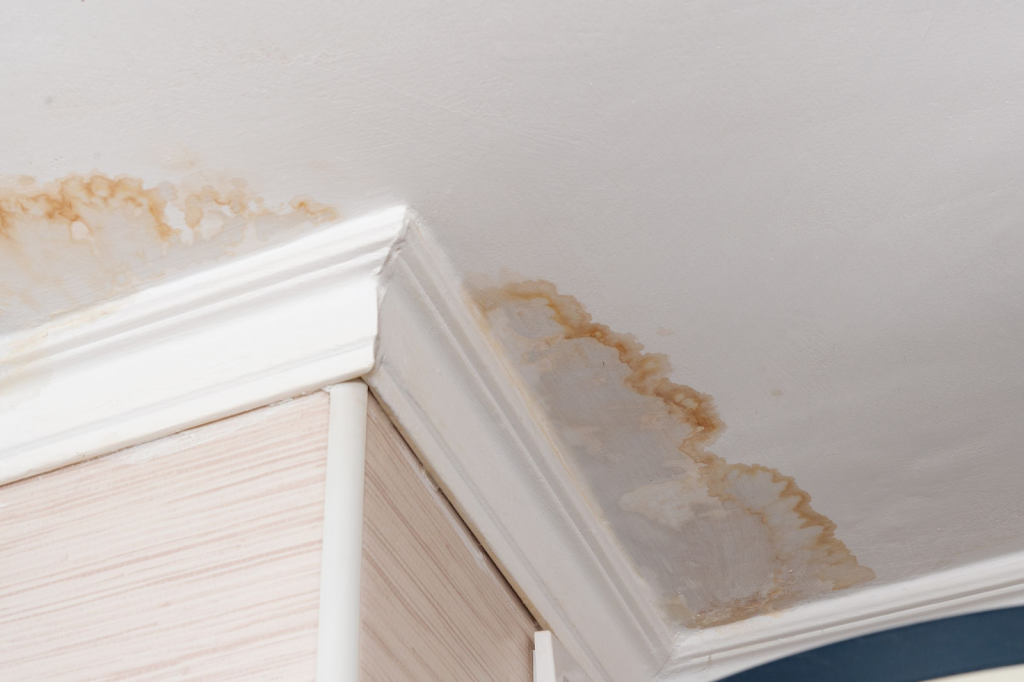
If you see a water stain on your ceiling or near a window, don’t ignore it — your home is trying to tell you something. These stains usually mean water is getting in from the roof, siding, or a failing exterior seal.
A small mark on the paint can actually be the final sign of a much bigger problem behind the walls. Moisture can cause mold, weaken wood, and spread quietly long before you notice any water.
A stain is never just a stain. It’s a sign your home needs attention now, before the damage gets worse.
If you’ve ever looked up and noticed a shingle out of place — or found one in your yard after a storm — your roof is warning you. Shingles are your home’s first line of defense. When they crack, curl, lift, or go missing, they can’t protect your home from rain, wind, or moisture.
Once the protective layer is compromised, water can seep beneath the shingles and begin damaging the underlayment and the structure below. This is how roof leaks start long before you ever see water inside.
Granules in your gutters, bare patches on the roof, or shingles lifting in the wind are all signs of early roof failure.
Even a small area of damaged shingles can lead to leaks during heavy weather. Fixing these issues early prevents expensive repairs and helps your entire roof last longer.
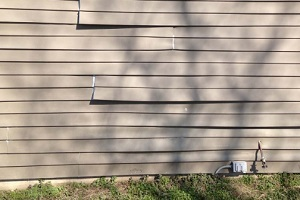
If you see areas of your siding that look uneven, bulging, cracked, or feel soft, your home may be warning you that moisture has gotten behind the surface. Siding is meant to be a solid barrier against the weather, but once it starts to warp or break down, it can’t protect your home properly.
By the time siding begins to pull away or lose its shape, water has often already reached the structure underneath. This can lead to rot, mold, and long-term damage you might not notice right away.
If your siding isn’t flat or feels spongy, it’s a sign your home needs attention before things get worse.
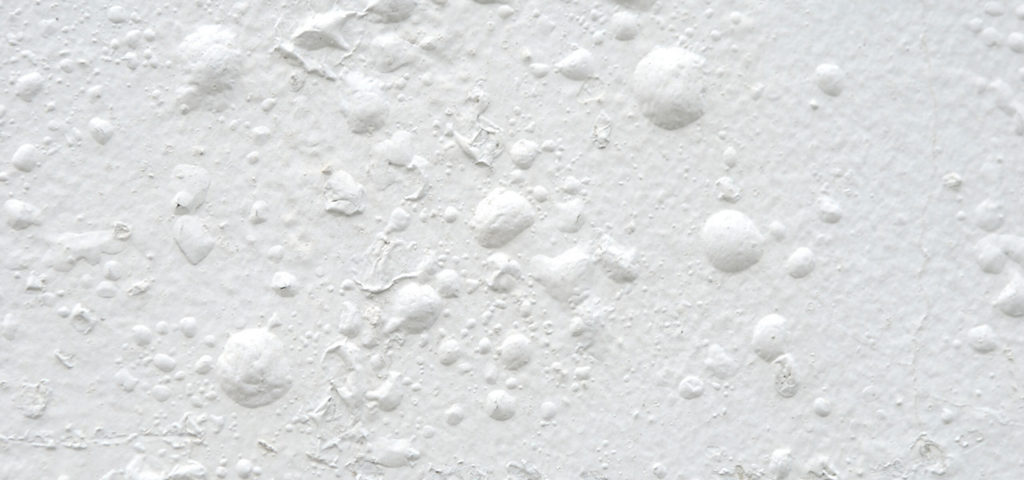
Exterior paint doesn’t just make your home look good — it acts as a protective layer that keeps out moisture. When paint begins to peel, bubble, or fade, it often means water is trapped underneath or that the surface is no longer protected.
Peeling paint might look like a small cosmetic issue, but it’s often your home’s first warning that moisture is entering the siding or trim. If left unaddressed, this can lead to wood rot, mold growth, and long-term damage.
If you spot bubbling paint or areas where the finish is breaking down, it’s time for a closer inspection.
If your energy bill is increasing for no clear reason, your home may be losing heat or cool air through the roof, siding, or windows. When exterior materials start to break down, they allow air to escape — forcing your HVAC system to work harder.
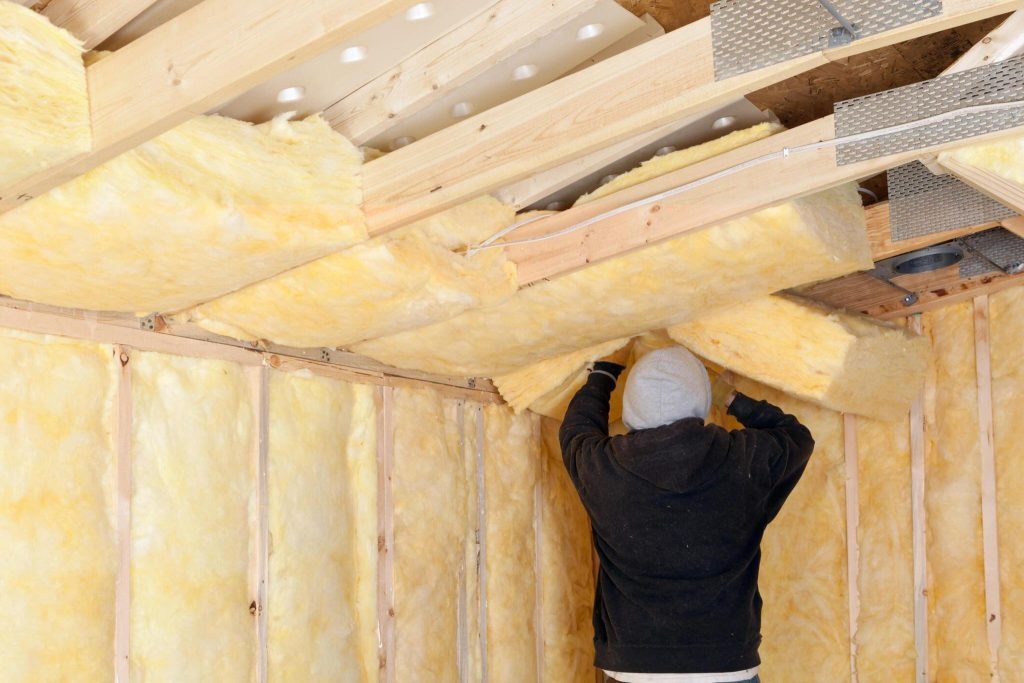
Drafty rooms, uneven temperatures, and an AC or heater that runs constantly are often early signs of exterior problems. You might not see visible damage yet, but your utility bill will reveal the issue before your eyes do.
If your home doesn’t feel as comfortable as it used to, it may be time to check the exterior before costs go up even more.
Jacob first contacted us about what looked like a simple window leak. But when our team inspected his home, we found the real issue: several missing shingles and roof damage that needed immediate repairs. After comparing quotes, Jacob chose us to replace his roof — and during the project, we also corrected issues left from the original construction.
Here’s what he had to say:
“I am very happy with their work, and confident that our roof will last us another 25+ years. I will absolutely be using them for any other repairs or projects in the future.”
Jacob’s story shows how small warning signs can reveal much bigger problems — and how acting early can protect your home for years to come.
Watching for small changes around your home can help you prevent bigger problems down the road. Signs like leaks, damaged shingles, warped siding, peeling paint, or higher energy bills are often your home’s way of saying something needs attention.
As Jacob’s experience shows, even a small leak can uncover a much larger issue beneath the surface. The good news is that taking action early can protect your home, save you money, and give you peace of mind.
Your home is sending you signals — and now you know how to spot them.
Ready to check your home for early warning signs?
https://www.gaf.com/en-us/plan-design/homeowner-education/do-i-need-a-new-roof
https://www.owenscorning.com/en-us/roofing/blog/signs-of-storm-damage https://presidentialexteriors.com/blog/signs-your-siding-is-damaged
https://www.betterbuilders.com/blog/roof-failure-when-to-repair-vs.-replace-it
https://www.perkins-roofing.com/blog/storm-damage-affects-roof-longevity-and-when-to-consider-replacement https://northpennnow.com/news/2025/sep/15/moisture-problems-behind-your-siding-the-hidden-danger

Copyright Salexx Construction LLC | All Rights Reserved | Privacy Policy | Website by Musimack Marketing